

Newborn Reflexes Explained: What’s Normal in the First Weeks
Newborns come pre-loaded with a set of automatic reflexes - and recognizing them isn't just interesting, it's genuinely reassuring. Here's what to expect and why it happens.
Babies Experience the World Through Touch and Taste First
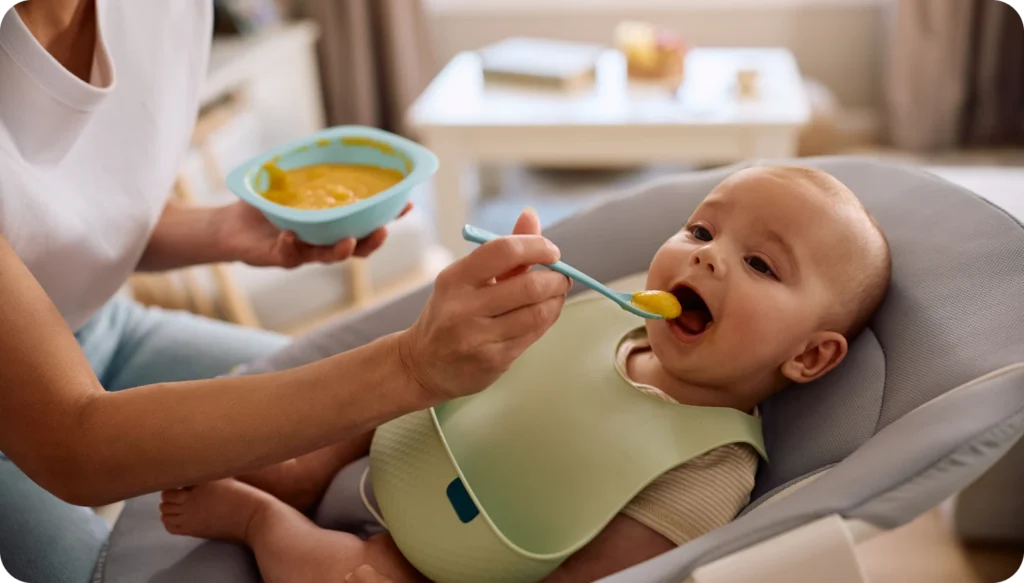
Here’s a detail that reframes a lot of newborn behavior: your baby’s vision and hearing aren’t yet reliable the way an adult’s are. So much of what we “see” and “hear” is actually our brain’s interpretation of raw signals – built on a lifetime of memory to fill in gaps. Babies don’t have that library of memory yet, so images and sounds come at them quickly without much context to make sense of them.
What babies can rely on immediately is touch and taste – grip and mouth. That’s why everything ends up in their mouth, why grasping is so instinctive, and why skin-to-skin contact and letting them grab and hold things matters so much in these early weeks. It’s not just comfort – it’s how they’re gathering information about their environment before vision and hearing catch up.
The Core Reflexes to Know

- Red reflex. Shine a light across your baby’s eyes and you should see a red glow reflected back. This indicates there’s no cataract or other obstruction, and that your baby’s visual pathway looks healthy.
- Suck reflex. Anything that touches the inside of a baby’s mouth triggers automatic sucking – this reflex exists specifically to support feeding.
- Grasp reflex. Touch a baby’s palm and their fingers will instinctively close around whatever touched it. It’s automatic, not a sign of unusual strength or coordination.
- Moro reflex (the startle reflex). If a baby’s position shifts suddenly – like a slight drop or lift of the arms – you’ll see their arms and legs move outward in a startle pattern. This reflex is thought to help prevent falls, and it’s also a genuinely useful health check: a strong, symmetric moro reflex is a good sign of healthy nervous system function, similar to what a reflex hammer checks for in an older child or adult.
The Soft Spot (Anterior Fontanel)
The top of a newborn’s skull hasn’t fully fused yet, which is why there’s a noticeably soft area — medically called the anterior fontanel. This isn’t just a fragile spot to be careful around; it’s actually a useful indicator of your baby’s hydration and health:
- If it looks a little sunken, that can be a sign of mild dehydration
- If it looks unusually bulged or tense, that can indicate increased pressure and is worth addressing promptly with your pediatrician
Why Babies Stretch So Much
Newborns spend a lot of time stretching – arms, legs, hands, feet. It’s a completely normal part of physical development as muscles that were curled up in the womb extend into a fuller range of motion.
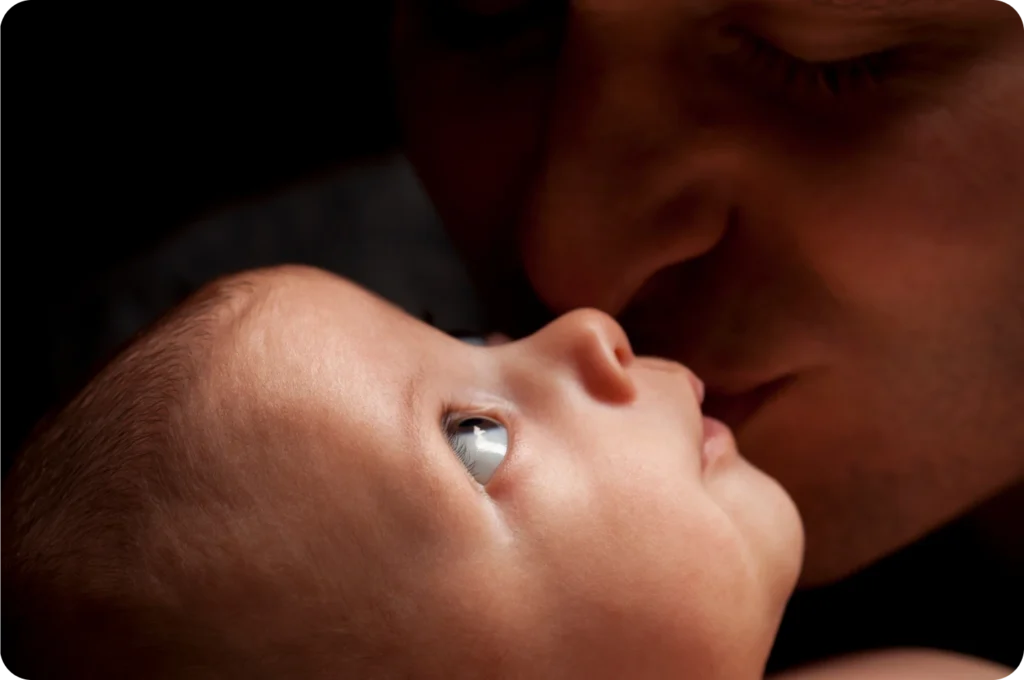
Movement Teaches Babies They Can Affect Their Environment
One of the more interesting developmental milestones: babies gradually learn that their own movement can change the world around them. A simple, supervised way this shows up: tie a ribbon connecting a baby’s foot to a mobile above them (always with direct supervision, since anything a baby could get tangled in needs close attention). Very quickly, babies notice that moving their foot moves the mobile – and that’s a real, foundational lesson that their actions have effects. It’s an early building block of cause-and-effect understanding.
The Bottom Line
A newborn’s reflexes aren’t random quirks – they’re a coherent, protective system built for a baby who can’t yet rely on sight, hearing, or memory the way adults do. Recognizing the moro, suck, and grasp reflexes, along with keeping an eye on the soft spot, gives you a genuinely useful, reassuring window into your baby’s early health.
FAQ: Newborn Reflexes
What is the moro reflex and why does it matter?
The moro (startle) reflex causes a baby’s arms and legs to move outward in response to a sudden shift in position. It’s believed to help prevent falls, and a strong, symmetric response is a good sign of healthy nervous system function.
Why does my baby grip my finger so tightly?
This is the grasp reflex – an automatic response triggered by anything touching the palm. It’s involuntary and doesn’t reflect unusual strength or awareness.
Is it normal for my baby’s soft spot to look sunken or bulging?
A slightly sunken soft spot can indicate mild dehydration, while a bulging or tense soft spot can indicate increased pressure and should be addressed with your pediatrician promptly.
Why does everything go into my baby’s mouth?
Newborns rely on touch and taste far more than sight or sound in the early weeks, since their visual and auditory processing hasn’t fully developed the “interpretation” adults rely on. Mouthing objects is part of how they gather information about their environment.
Sign Up
Stay up to date on the latest news, articles and insights from Dana Cowles
Recently published

August 19, 2026
Newborn Feeding, Honestly: Breast, Bottle, Schedules, and Solids
August 19, 2026
Umbilical Cord Care and Bathing: A Simple, No-Panic Guide

August 19, 2026
What Actually Happens During: Labor, Delivery, and Those First Few Minutes
A standout line or pull quote from the post appears here.
Attribution · Dana Cowles, DO